A year of collaboration, investigation and outreach for DANUBE4all
- Dec 15, 2025
- 3 min read
We asked Work Package 5 leader, Sandra de Vries of Pulsaqua, to reflect on a busy and productive year for the project through the lens of the project's citizen science programme and the place of community engagement and education in restoring and protecting our rivers and waters.

As we embark on another year of collective effort and shared passion for the Danube’s rivers and wetlands, I’m excited to welcome you to DANUBE4all Insights 2025.
This edition presents annual project updates from our scientific experts, showcases updates from our Demonstration Sites and Associated Regions and also centers on a theme close to my heart: Communities and Citizen Science - How to Engage and Why It Matters. It is a timely reflection on the power of people - empowered citizens, local actors, and communities - to not only witness but actively shape the future of river restoration.
For those of us working in river ecosystems, the science and technology behind restoration are fundamental. Yet, without community involvement, even the best scientific projects risk falling short of their true potential.
The Danube River is more than a waterway; it is a living artery that nourishes countless lives, cultures, and livelihoods. Engaging local communities transforms restoration from a technical exercise into a shared journey of stewardship and care.
Citizen science has become a cornerstone of DANUBE4all’s approach - a bridge connecting rigorous research with the knowledge and enthusiasm of people who live along the river. When citizens become observers, data collectors, and advocates, they don’t just contribute valuable information; they develop a sense of ownership that fosters long-term commitment. This engagement is critical for sustainable river restoration because it ensures that the restored ecosystems are valued, protected, and maintained well beyond the duration of any project.
To support this process, in 2025 we have developed the Local Action Guide, a practical tool now available in its first version. It helps groups of all sizes discover which citizen science methods best fit their goals in river restoration. This guide empowers communities with accessible, actionable knowledge to actively participate and make a meaningful impact.
From my perspective at Pulsaqua, working directly with communities has revealed the profound impact of this collaborative approach. The conversations, shared experiences, and collective actions we witness illustrate that science is not only for scientists. It belongs to everyone who drinks from the river, fishes its waters, or simply enjoys its beauty.

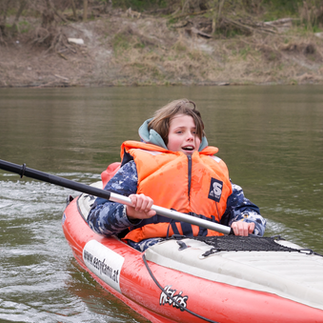


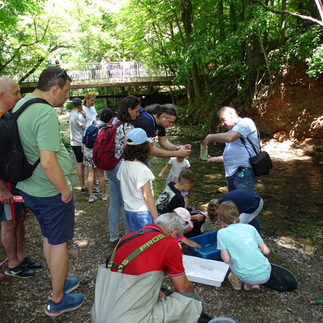
Photos courtesy Pulsaqua and DANUBEPARKS
I invite you to join us in strengthening these connections by becoming part of the Healthy Danube network - a vibrant platform bringing together communities, scientists, and stakeholders across the basin. Together, we can share knowledge, coordinate efforts, and build lasting partnerships that amplify our impact on river restoration. Details on how to join the network and get involved are included later in this newsletter.
As you explore this year’s insights, I encourage you to reflect on your own role in fostering community engagement and stewardship. Together, through dialogue, participation, and mutual learning, we can secure a resilient future for the Danube and the countless lives it supports.
Let’s keep the Danube flowing - not just with water, but with shared passion and purpose!
Warm regards,
Sandra
Pulsaqua